
Preparing Your Garden for Winter – 10 Tips

If you live in a colder climate where it gets below freezing, there are a number of garden projects you’ll want to complete before the first frost and definitely before the deep freeze begins.
There are so many things to do to prepare your garden for winter and the below tips will help you prioritize so you can enjoy your garden even more in the fall.
10 Ways To Prepare Your Garden for Winter
1. Rake the leaves (But Not all of Them)
Many of us want to clean up the garden and rake leaves in the fall, but when doing this, please don’t rake them all.
Did you know…
Butterflies begin in leaves, as larvae. Those brown, dead leaves are the planet’s butterfly nursery. They’re home to butterfly larvae, microbes and worms. And leaf litter is where many species of butterflies and moths overwinter as pupae. Animals like toads, shrews and salamanders benefit from leaf litter to hide and hunt, too.”
David Suzuki.org
Instead of raking all the leaves, you can:
- Use them in your garden beds to protect your perennials and bulbs
- Mulch them with the lawnmower
- Add the leaves to your composter.
If you do need to rake up a lot of leaves just keep in mind to save some to protect the butterfly larvae.
2. Protect Raised Garden Beds
Protecting your raised garden beds from the harsh elements can make them last longer and also protect any perennials you have growing.
Before covering your raised beds:
- Remove weeds, dead plants
- You can also add organic compost at this time to prepare your soil for spring
- Cover the raised bed with mulch or leaves, which also protects the soil. When using leaves they will break down over the winter and add nutrients to the soil.
3. Plant Bulbs
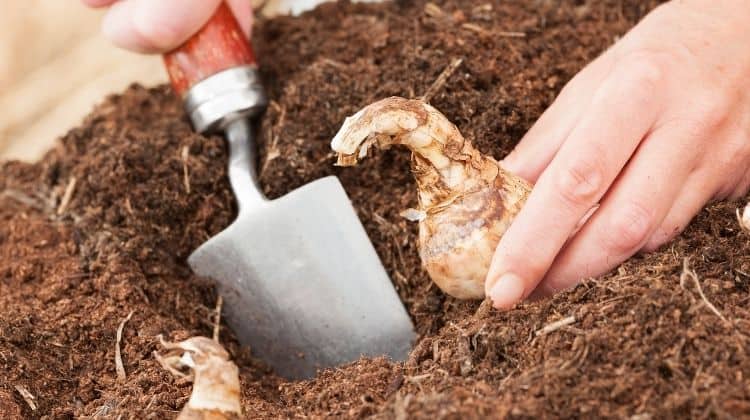
Fall is the perfect time to plant your favorite hardy spring-flowering bulbs.
This includes:
- Daffodils
- Tulips
- Crocuses
- Hyacinths
- Irises
As a general rule, you can plant your bulbs two to three times the depth of the bulb size, however, check the package instructions for the specific bulbs you have.
4. Turn off Outdoor Faucets
Before you close up the garden for winter, make sure to turn off the outdoor faucets. The turn-off valve can be found in your basement or many times under your kitchen sink.
Ensure the valve is completely turned off.
Then you’ll want to empty any existing water outside where you have the hose attached. Then you can detach and empty the hose before putting it away for winter.
5. Harvest Vegetables & Herbs

In the fall when you’re harvesting the remaining of your vegetables and herbs there are a few simple rules to follow.
Perennial Herbs:
If in containers cut the plant back so you can harvest the herbs, then place the container inside. A garage or shed is ideal to protect your perennial herbs from the elements. Then in the spring, there’s a good chance your herbs will start growing again.
If in the ground, you can cover the soil at the roots with mulch or leaves.
Perennial herbs: Chives, oregano, parsley, mint, thyme, lavender, coriander, rosemary, sage.
Vegetables:
Cruciferous vegetables such as beets, broccoli, carrots, sprouts or kale can last well into the late fall, so you can harvest later than your tomatoes, eggplants or beans.
6. Plant New Perennials (Or Divide Old)
Planting perennials in the fall is ideal because plants are always on sale at this time. Starting a new garden can be pricey so planting in the fall can be a major money saver.
Also, planting perennials in the fall gives your plant’s root system a head start so they continue to grow strong in the spring. This can be especially beneficial for flowering perennials.
7. Pull Weeds
A job many of us do not like, but removing major weeds in the fall will help you out in the spring!
Ideally pulling weeds during your full gardening season is essential to reduce weeds from taking over. Weeds drop seeds and flowers during the season so even if the weeds die, the seeds are waiting to grow in the spring.
If you have major weeds in the fall, it’s still a good idea to remove them to prevent some seeds from dropping.
8. Protect Newly Planted Trees & Shrubs
If you have young or newly planted trees it’s a good idea to cover them to protect them from the harsh temperatures. This also includes fruit trees.
- Before covering make sure to give them a good amount of water
- Add mulch to the base
- Cover in burlap (for shrubs)
- For young trees, wrap the trunk in paper tree wrap or burlap.
You can also add a tree guard to protect the trunk from rodents from eating the bark.
9. Don’t Forget the Birds
If you feed the birds in the spring, summer and fall make sure to continue into the winter months as birds will be depending on the food, especially once it’s cold.
Also, make sure to clean your bird water feeders to prevent mould from setting in.
Preparing Your Garden for Winter = Peace of Mind
Whether you’re a new or more seasoned gardener, doing the right things in the fall to prepare your garden for the winter months will look after the hard work and time you’ve invested in your garden.
These 10 tips to prep your garden are simple, but make all the difference when you get back to playing in the dirt in the springtime.
Happy gardening!
SAVE THIS FOR LATER!
